Puppy days
Build toilet routines, positive handling and gradual introductions with plenty of sleep. Leave room for changing size, coat and activity needs as the puppy grows.
A dog without known ancestry still has a personality and care needs worth discovering. Observed behaviour, adult build and life history are more useful than guessing from appearance.
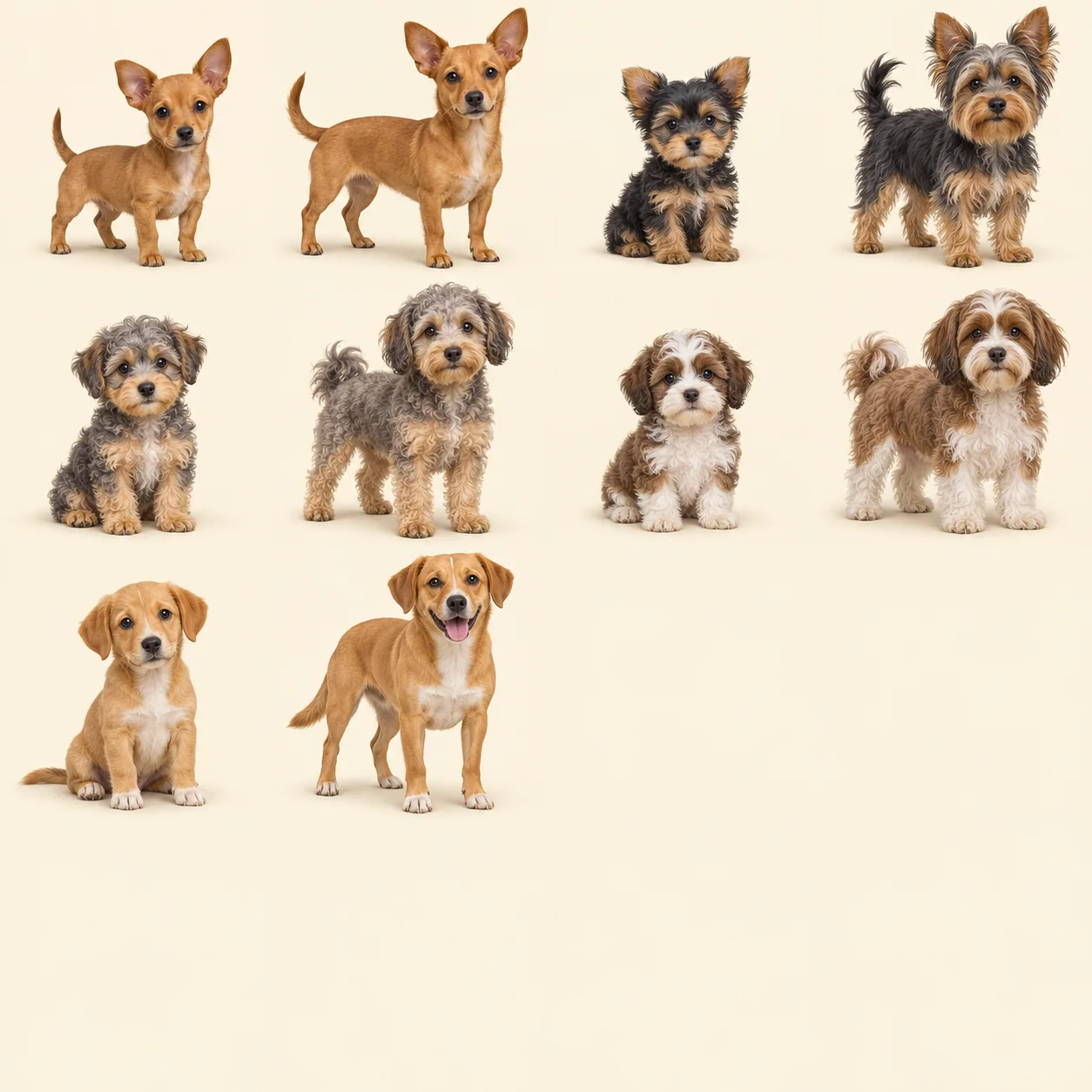
Build toilet routines, positive handling and gradual introductions with plenty of sleep. Leave room for changing size, coat and activity needs as the puppy grows.
Use demonstrated energy, comfort with people or pets and settling habits to plan daily life. A new adult also needs time to learn your home routine.
Choose brushing for the actual coat and walks for observed stamina. Include dental and nail care, regular toilet opportunities and gradual comfortable alone-time practice.
Worth planning for: An informal breed label cannot establish ancestry or guarantee temperament, adult size or compatibility with your household.
Start with what is known about this individual. Use these observations to plan life together.
Behaviour in a rescue or foster home may change after moving. Unknown ancestry makes individual information especially useful; appearance does not establish care needs or temperament.
Reviewed 8 October 2026.